




Exploring Modular Blockchain Architecture: The Future of Crypto Exchange Platforms
With an astonishing $4.1 billion lost to DeFi hacks in 2024, the urgency for robust, adaptable, and secure blockchain solutions has never been more critical. Modular blockchain architecture emerges as a beacon of hope in this regard, providing a flexible foundation poised to transform the next generation of crypto platforms like CryptoSwapDex. In this article, we’ll dive deep into modular blockchain architecture, examining its features, benefits, and future implications for the cryptocurrency landscape.
Understanding Modular Blockchain Architecture
At its core, modular blockchain architecture breaks down the traditional monolithic structure into distinct, interconnecting components. This innovative approach enhances scalability, security, and functionality, allowing developers to customize solutions tailored to specific needs.
Imagine a blockchain as a smartphone. Just like a phone is made up of various modules—such as camera, battery, and processor—a modular blockchain comprises layer protocols focusing on various functionalities. This flexibility allows developers to plug in or replace components as necessary.
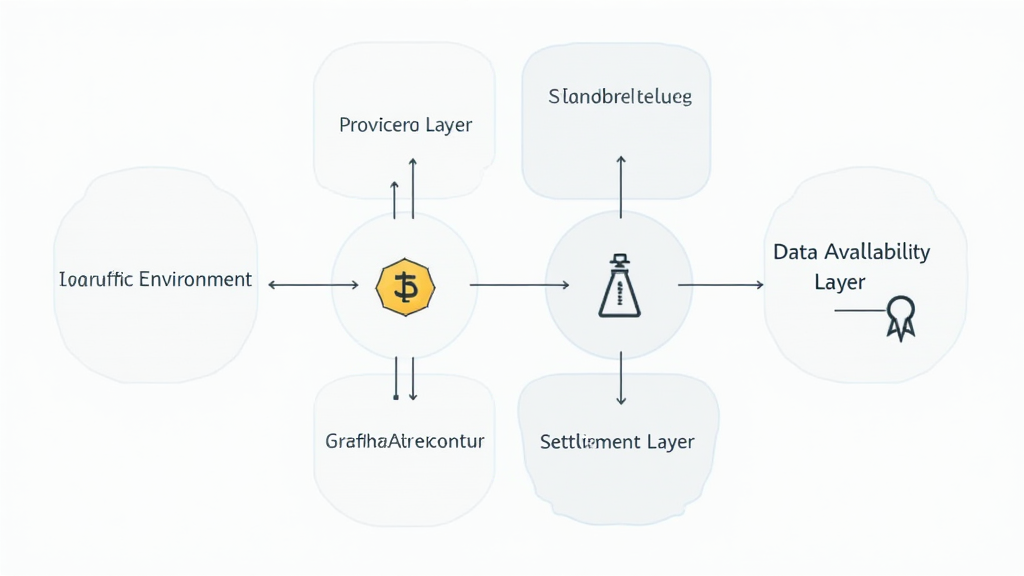
The Key Components of Modular Blockchains
- Execution Environment: Handles transaction processing and smart contract execution.
- Consensus Layer: Maintains network accuracy and agreement among nodes.
- Data Availability Layer: Ensures that transaction data is openly accessible to all network participants.
- Settlement Layer: Handles final transaction settlement and balance updates.
In modular systems, each component can be developed independently, leading to faster and more innovative blockchain solutions. A notable advantage of this architecture is its capability to support diverse consensus mechanisms, allowing for more tailored security and efficiency measures.
The Benefits of Modular Blockchain Architecture
Recognizing the inherent benefits of modular blockchain architecture can significantly inform project development and investment strategies in the rapidly evolving cryptocurrency landscape.
- Enhanced Scalability: Modular architecture allows scaling individual components without overhauling the entire system, fostering smoother adaptations to transaction loads.
- Improved Security: Each layer can be fortified with tailored security measures, minimizing vulnerabilities associated with monolithic systems.
- Faster Development: Teams can work on different components simultaneously, reducing time to market for new features.
- Interoperability: Different blockchain modules can communicate with various systems, enhancing collaborative applications.
According to a 2025 industry report by Chainalysis, modular blockchains are projected to handle more than 75% of global transactions as platforms shift towards flexible architecture solutions.
Real-World Applications and Case Studies
Modular blockchain architecture is not merely theoretical; various projects have successfully implemented this approach, paving the way for its mainstream adoption. Here are some notable cases:
- Ethereum 2.0: Transitioning to a modular architecture allows Ethereum to enhance its scalability and security features without sacrificing decentralization.
- Polygon: It’s a prime example of layering with its Ethereum-compatible sidechains, offering customizable solutions to developers without compromising speed or costs.
- Optimism: This layer-2 scaling solution demonstrates the effectiveness of modular structures by enabling faster and cheaper transactions through optimistic rollups.
Challenges and Considerations
Despite the numerous advantages, the transition to modular architecture comes with its own set of challenges that cannot be overlooked:
- Complexity: Modular systems can introduce complexity in design and integration, demanding more sophisticated development approaches.
- Standardization: The lack of widely accepted standards may hinder interoperability among different modular systems.
- Security Risks: Each module’s independence may expose new vulnerabilities during integration, requiring rigorous auditing processes.
Future Implications for the Crypto Market
The future of cryptocurrency exchanges and applications lies heavily in adopting modular blockchain architectures. As ecosystems evolve, these flexible systems will likely define critical operational efficiencies and user experiences.
In the context of Vietnam, where blockchain technology adoption is rapidly increasing with a reported growth rate of 35% among cryptocurrency users in the past year, modular architecture can significantly influence local projects enhancing security and user accessibility.
Conclusion: A Modular Future for CryptoSwapDex
With the potential of modular blockchain architecture to revolutionize how we conduct digital transactions, platforms like CryptoSwapDex stand at the forefront of this evolution. Embracing a modular approach not only secures user assets but also paves the way for innovation and growth in the crypto space.
Looking towards the horizon, the ability to adapt and respond to market demands with agility will be essential. The path forward is clearer than ever: harnessing the benefits of modular architecture is likely the key to unlocking new opportunities in the crypto realm.
For more insights on blockchain architecture and secure transaction practices, read our other articles related to crypto benchmarks and standards in our resource center.
This article is authored by Dr. An Nguyen, a blockchain security consultant with over 15 published papers and leading audits on renowned projects.


