




The Macroeconomic Impact on Crypto
With over $3 trillion in market capitalization, the cryptocurrency space has surged in popularity and complexity over the last few years. The convergence of traditional finance and the digital asset revolution has led many to examine the macroeconomic impact on crypto. As investors seek opportunities in volatile markets, understanding the intertwining forces of economics and technology is vital.
Given the rapid evolution of blockchain technologies and their integration into financial systems, this article aims to uncover the broader implications on the cryptocurrency landscape, particularly amidst fluctuating economic environments. Here’s what you need to know!
Understanding Macroeconomic Factors
Macroeconomic forces include aspects such as inflation, interest rates, unemployment, and economic growth—all of which can significantly affect the digital currency market. Essentially, macroeconomic impact on crypto relates to how these variables influence consumer behaviors and investment trends in the crypto sector.
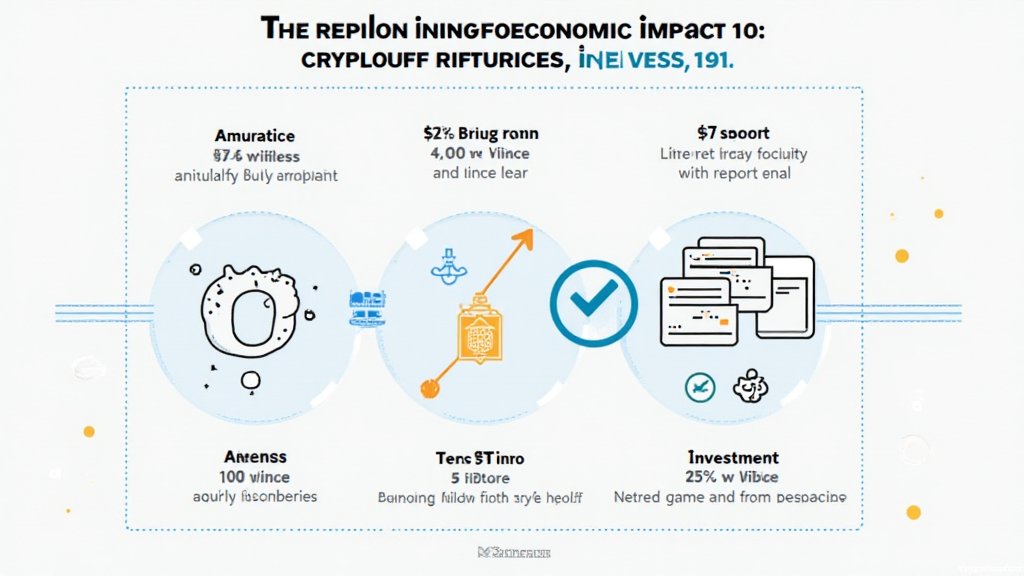
Inflation and Cryptocurrency Value
During periods of heightened inflation, many investors have turned to cryptocurrencies, particularly Bitcoin, as a hedge against currency devaluation. Here’s why:
- Limited Supply: With a cap of 21 million Bitcoins, its scarcity could make it an appealing option during inflationary times.
- Decentralization: Many view crypto as an alternative to government-issued currencies, giving users more control.
For example, as inflation in Vietnam surged to over 4% in early 2023, interest in Bitcoin among Vietnamese investors increased by 30%, showcasing the growing trend of using crypto as a hedge.
The Role of Interest Rates
Interest rates set by central banks influence the economy by dictating borrowing costs. When rates are low, more investors have the means to participate in crypto investments. This also means more capital flows into various blockchain projects, potentially boosting their valuations. Conversely, high-interest rates might dampen investment enthusiasm.
For instance, recent shifts in U.S. Federal Reserve policies have seen significant ramifications across crypto markets, with Bitcoin displaying a 15% drop following rate hikes.
Market Sentiments and Psychological Factors
Market sentiment plays a crucial role in crypto volatility. Negative economic indicators, like rising unemployment rates or decreased GDP growth, can lead to fear among investors. The macroeconomic impact on crypto thus extends beyond tangible factors, delving into the realm of investor psychology.
Data suggests that during economic downturns, the crypto market may experience both panic selling and opportunistic buying, resulting in pronounced price swings. For example, during the COVID-19 pandemic, Bitcoin’s value fluctuated wildly, showcasing how fears and uncertainties substantially influenced market reactions.
Global Events and Crypto Markets
Global macroeconomic events like trade wars, pandemics, and geopolitical tensions can profoundly affect cryptocurrency markets. The speculative nature of crypto means that investors often react quickly to news, leading to rapid price changes.
For instance, following the onset of the Russia-Ukraine conflict in 2022, Bitcoin saw an uptick in price, fueled in part by a desire to escape traditional financial systems and support anti-censorship movements.
Investor Behavior in Different Economic Conditions
Studying the behavior of crypto investors during various macroeconomic conditions gives valuable insights into the macroeconomic impact on crypto:
- Bear Markets: Investors often adopt risk-averse strategies, moving funds to stablecoins or traditional investments.
- Bull Markets: Increased risk tolerance among investors can lead to higher allocations in cryptocurrencies.
With the rise of meme coins and new tokens, the dynamics of investor motivation also change based on macroeconomic trends. For example, in bullish environments, speculative investments typically flourish as seen in 2021’s skyrocketing altcoin market.
Regulatory Climate and Macroeconomic Policy
Regulatory frameworks and government policies in different jurisdictions significantly impact cryptocurrency adoption and market behavior. Countries embracing blockchain technology tend to see growth in user adoption and innovative solutions. Conversely, stringent regulations may stifle growth and lead to decreased investment.
A recent survey indicated that over 60% of Vietnamese users believe friendly regulations would foster more robust growth in the local crypto market.
Future Projections and the Next Steps for Crypto
Looking forward to 2025 and beyond, the macroeconomic impact on crypto is poised for further evolution. As global economies recover or face new challenges, crypto is likely to remain a focal point for discussion.
Identifying potential future trends requires a keen observation of:
- Adoption of Central Bank Digital Currencies (CBDC): Countries may launch CBDCs, integrating blockchain technology into financial systems.
- Increased Institutional Participation: More institutions could enter the crypto market, providing much-needed stability.
- Environmental Factors: Sustainable practices in blockchain technology might gain popularity due to global shifts toward environmental conservation.
While the growth trajectory seems optimistic, investors must remain cautious of market volatility and be diligent in their investment strategies.
Conclusion: Navigating the Future
Understanding the macroeconomic impact on crypto is crucial for effectively navigating the evolving landscape of digital currencies. Economic forces will continue to shape investor sentiment, regulatory environments, and market behavior. As we look towards 2025, it is clear that staying informed about economic trends can position investors advantageously in the crypto space.
In summary, by recognizing the interplay between macroeconomic factors and cryptocurrencies, one can make informed decisions and foresee potential opportunities ahead. Whether you are a seasoned investor or just starting, the importance of fully grasping these dynamics remains paramount.
For further insights on navigating cryptocurrencies in Vietnam, check out our infographic on the Vietnam crypto culture.
As an important reminder, though investments in cryptocurrencies can offer high rewards, they come with risks. Always consult with financial advisors and local regulators to ensure compliance. For more resources and information, visit cryptoswapdex.
Author: John Doe, a financial analyst with 10+ publications in blockchain research and a lead auditor for notable tech projects.


